Foam mattresses are constructed from polyurethane or memory foam layers designed to contour to the body, providing pressure relief and support for varied sleeping positions. This category emphasizes density, cell structure, and temperature management to balance conforming comfort with durability. Understanding foam composition helps assess compatibility with different bed frames and foundations.
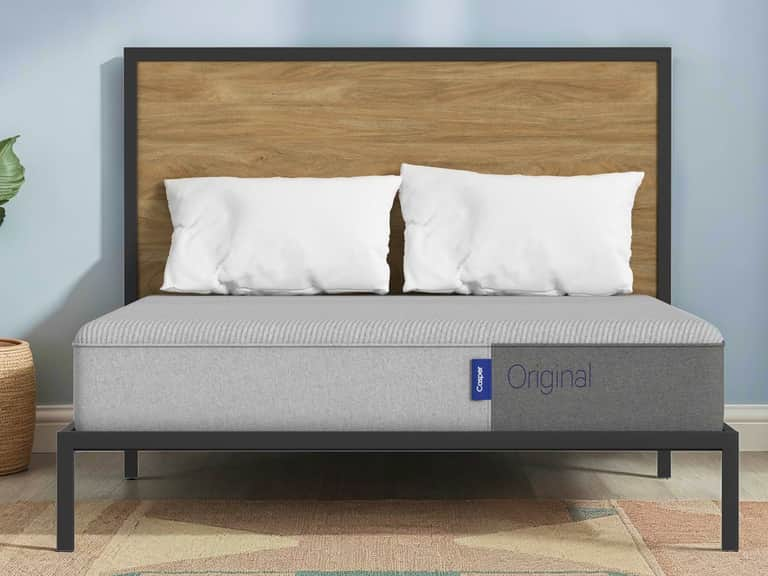
The Original Mattress in this category typically features supportive foundational foam and a comfort layer that encourages even weight distribution. Key benefits include reduced motion transfer, improved spinal alignment, and a responsive feel that adapts as you move. These characteristics are influenced by firmness levels and foam density, which affect long-term performance.
The Element Mattress offers a distinct approach by combining a supportive core with a precisely engineered comfort layer. Attributes such as breathability, recovery rate, and edge support contribute to overall sleep quality. For users seeking a balanced mix of contouring comfort and structural stability, the Element Mattress highlights how foam technology supports diverse sleep needs.
Foam mattress performance is closely linked to temperature regulation, with materials ranging from open-cell constructions to cooling infusions. Effective foam systems manage heat without sacrificing pressure relief, supporting healthy sleep architecture. Patients with sensitivities or heat preferences may benefit from exploring pore structure and fabric-down layering in tandem with the foam core.
In this category, materials science intersects with practical usability, including durability considerations, motion isolation, and ease of maintenance. Common features to note are density ratings, zoning for support, and removable, washable covers. Understanding these factors aids in selecting a foam mattress that aligns with bedding goals and long-term comfort. Keywords: bedding, pillows, sheets, organic mattresses, latex
 Mattresses
