Blankets and quilts constitute essential bedroom textiles that provide warmth, comfort, and decorative style across seasons. This category highlights materials, construction, and care considerations that influence thermal performance, breathability, and durability. Understanding fabric weights, weave types, and stitching patterns helps align selections with sleeping temperature, moisture management, and long-term use.
Common blanket materials include cotton, wool, acrylic blends, and organic fabrics, each offering distinct characteristics. Cotton offers softness and good moisture handling, while wool delivers insulation with natural temperature regulation. Organic certifications and sustainable sourcing practices are often important factors for those prioritizing environmental impact and allergen considerations.
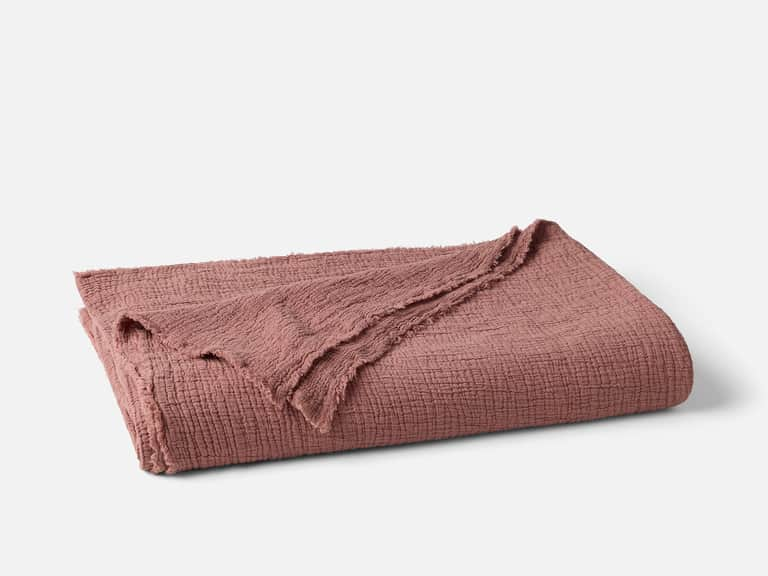
Quilts and coverlets, such as the Topanga Organic Matelasse Coverlet, are constructed to provide a lightweight layering option that adds texture without bulk. Matelassé weaving creates a padded, raised pattern that enhances visual interest while maintaining a smooth drape. These pieces can function as year-round bed coverings when paired with appropriate sheets and blankets.
Key features to evaluate include fiber content, weave or stitch density, fabric finishes, and care requirements. Look for breathable weaves, like percale or sateen weaves in sheets, and seek fabric blends that balance warmth with ease of care. Functional benefits often include easy laundering, resistance to pilling, and consistent sizing for a tidy bed presentation.
When considering layering strategy, combining a core blanket with a textured coverlet or matelasse adds depth and warmth without excessive weight. Understanding product names, features, and benefits—such as breathable organic materials, allergy-friendly finishes, and durable construction—supports informed choices for a comfortable, well-made sleep environment.
 Bedding